
Building and scaling a successful business requires far more than a strong core concept, an aggressive growth model, a skilled executive team, or an exceptional product line. Behind every thriving commercial enterprise lies a complex, highly integrated network of specialized external services, physical infrastructure supports, advanced technology solutions, regulatory compliance systems, and technical field operations. Whether an enterprise operates a physical retail storefront, manages a bustling industrial manufacturing plant, coordinates administrative offices, or maintains intricate global supply chains, partnering with expert vendors ensures smooth daily operations, compliance with strict regulatory frameworks, reduced insurance risks, and long-term security.
Navigating the vast ecosystem of modern commercial solutions can feel overwhelming for business owners, facilities managers, and operational directors trying to optimize their operational overhead while scaling up output. By focusing on essential operational, safety, technical, legal, and logistical offerings, business leaders can systematically build a resilient infrastructure that supports continuous multi-market expansion. Strategic outsourcing to expert service providers frees up valuable internal human resources, allowing executive leadership teams to concentrate their energy on core growth strategy, market positioning, product innovation, brand equity development, and direct customer engagement.
Facility Infrastructure and Operational Support
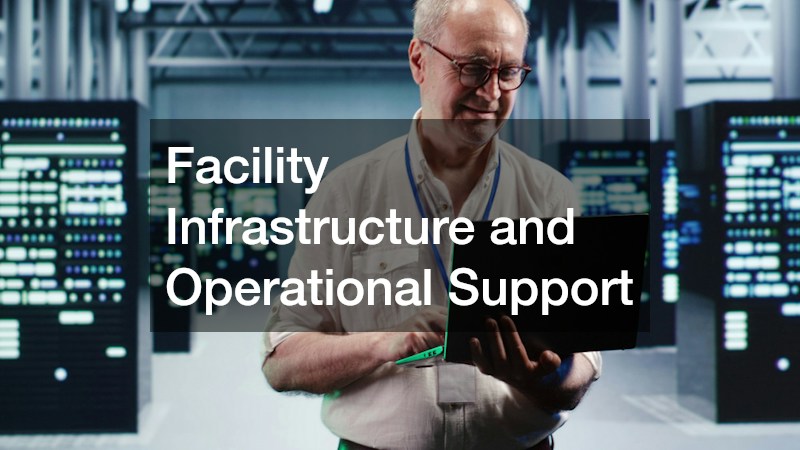
Physical operating locations require constant maintenance, technical upgrades, periodic structural additions, and tailored components to keep personnel safe, facilities operational, and workplace productivity consistently high. Structural integrity and customized architectural fittings play a crucial role across heavy manufacturing sites, commercial logistics hubs, processing plants, and corporate administrative offices alike. Engaging specialized external contractors for structural maintenance and facility modification guarantees that specialized industrial machinery and precise technical knowledge are applied directly to complex facility engineering challenges without putting a burden on internal maintenance crews.
Schedule Routine Pipe Inspections and Debris Clearing
Maintaining clean, unobstructed, and efficient fluid handling systems prevents catastrophic production line halts, severe equipment burnout, environmental contamination, and costly building property damage. Installing high-quality inline strainers protects critical hydraulic machinery, specialized liquid cooling loops, municipal connections, and industrial processing equipment from solid particulate contamination and mechanical wear over time. Facilities managers must establish a strict, documented routine maintenance schedule to check these mechanical filtration components, flush out trapped physical debris, measure system pressure differentials, and replace worn internal elements before downstream fluid flow is compromised or pumps fail completely.
Order Custom Components Built to Exact Architectural Dimensions
Standard off-the-shelf industrial hardware and generic pre-fabricated structural units rarely meet every spatial, thermal, or structural requirement of a specialized manufacturing site or modern commercial layout. Utilizing professional sheet metal fabrication services allows growing companies to obtain custom ventilation ductwork, protective machine safety housings, specialized mounting brackets, weather-resistant structural flashes, and tailored HVAC enclosures designed precisely for their physical building layout. When designing these custom components, facility managers should work directly with seasoned mechanical design engineers to select appropriate material gauges, structural reinforcement patterns, and protective finishes that withstand harsh, localized workplace environments and heavy chemical exposure.
Specify Material Grades Designed for High Load Capacity
Large-scale structural developments, such as building expansions, heavy equipment support platforms, exterior loading docks, mezzanine additions, or customized structural framing, demand structural strength that standard off-the-shelf components simply cannot provide. Contracting out bulk metal fabrications ensures that all structural steel beams, support trusses, industrial access stairways, catwalks, and heavy platform assemblies adhere strictly to structural engineering codes and regional safety ordinances. Ensure that internal procurement teams thoroughly verify mill test reports, non-destructive weld integrity assessments, and official material certifications prior to site installation to guarantee long-term workplace safety, structural resilience, and load-bearing performance under heavy operational demands.
Site Preparation and Equipment Refurbishment
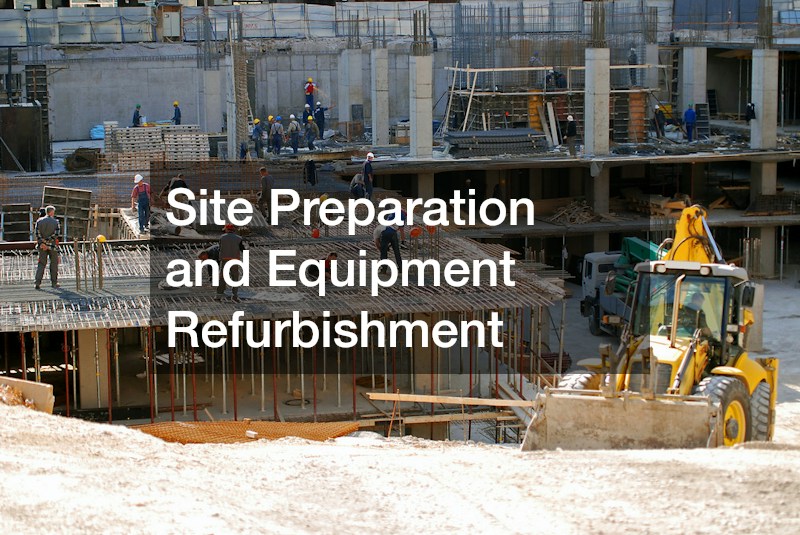
Commercial property, physical machinery, industrial inventory, outdoor storage units, and building exteriors experience severe wear and tear due to continuous operation, environmental exposure, thermal cycles, chemical processes, and heavy daily usage. Restoring specialized machinery and preparing structural surfaces for new protective coatings requires specific trade skills, heavy-duty mobile equipment, protective equipment, and strict environmental compliance measures. External surface treatment and equipment preparation services help extend the operational lifespan of vital capital assets while preserving their structural integrity and professional visual appearance for visiting clients and regulators.
Remove Corrosion and Scale Before Applying Protective Coatings
Exposed structural steelwork, outdoor chemical storage tanks, structural support beams, maritime transport containers, and heavy construction machinery rapidly develop rust, oxidation, and destructive chemical residue if left untreated. Utilizing professional sandblasting services thoroughly cleans weathered metal surfaces, stripping away old flaking paint, mill scale, rust layer accumulation, and deeply embedded surface contaminants to create an ideal anchor profile for new protective primers and high-durability topcoats. Facility operators should always schedule high-pressure abrasive surface stripping during planned seasonal maintenance downtime or off-peak operational hours to minimize facility disruption and contain airborne dust particles safely using temporary containment enclosures.
Inspect Underground Storage Units to Maintain Regulatory Compliance
Businesses that rely on emergency back-up generator fuel storage, bulk chemical reservoirs, specialized liquid heating systems, or fleet refueling facilities must prioritize environmental protection and proactive subsurface leak detection. Scheduling an official oil tank testing service verifies the structural integrity of underground containment units and piping, preventing devastating subsurface environmental contamination, water table damage, and heavy financial regulatory fines from environmental protection agencies. Business operators should coordinate regular precision tightness testing, soil vapor monitoring, tank lining evaluations, and groundwater monitoring with certified environmental technicians to identify micro-fractures, seam degradation, or corrosion pockets before major underground leaks develop into environmental disasters.
Property Safety and Physical Security

Securing physical enterprise assets, intellectual property, corporate personnel, proprietary physical equipment, and sensitive commercial documentation is a fundamental operational responsibility for any modern business entity. Physical security extends far beyond simple deadbolt door locks and standard burglar alarm systems to encompass comprehensive site perimeter defense, digital access monitoring, vehicular traffic management, and regulated internal spatial movement. Implementing robust physical security measures protects high-value physical inventory and proprietary research while ensuring a safe, orderly environment for employees, visiting business partners, clients, and third-party delivery drivers.
Implement Multi-Factor Digital Authentication for Secured Entry Points
Restricting physical access to sensitive commercial areas like data center server rooms, executive boardrooms, secure chemical inventory vaults, or high-value inventory distribution warehouses requires sophisticated electronic access management platforms. Integrating an advanced access control system enables security managers to track employee movement in real time, generate digital audit trails, and restrict authorized entry based on dynamic shift schedules, departmental credentials, or security clearances. Security directors should routinely audit system access logs, instantly revoke electronic credentials for departed personnel, and implement multi-factor credential verification, such as keycard combined with biometric scanning, at all high-value entry doors across the facility.
Position Clear Directional Identifiers in High-Traffic Zones
Navigating expansive commercial campuses, multi-building industrial distribution yards, high-volume retail complexes, and customer parking facilities can be chaotic and dangerous without clear visual direction. Utilizing professional road sign services ensures that internal traffic flow, commercial delivery parking restrictions, loading dock designations, emergency vehicle paths, pedestrian walkways, and speed limits remain highly visible and fully compliant with local municipal transportation guidelines and accessibility standards. Facility managers should conduct periodic site walk-throughs during both day and night conditions to verify that reflective coatings remain functional and that overgrown trees, banners, or stacked materials do not block vital warning postings or navigational markers.
Digital Defense and Information Governance
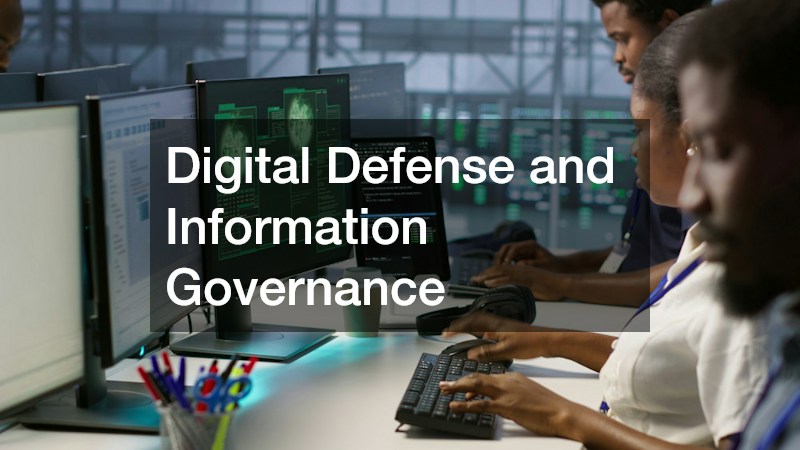
As commercial operations rely heavily on enterprise cloud infrastructure, distributed remote work environments, automated operational technology networks, and digital financial transactions, enterprise data security has become an urgent operational priority. Cyber breaches, ransomware incidents, and unauthorized data exposures can lead to staggering financial losses, catastrophic legal liabilities, regulatory non-compliance fines, trade secret theft, and irreparable damage to market brand trust. Securing digital infrastructure demands continuous network threat monitoring, proactive vulnerability management, strict access governance, and detailed incident response strategies provided by expert external IT firms.
Conduct Regular Penetration Testing on Enterprise Networks
Cyber threats evolve continuously, with malicious actors constantly developing automated tools, ransomware strains, and exploit kits to target software vulnerabilities, outdated firmware, and internal network misconfigurations. Engaging professional cybersecurity services provides continuous remote network monitoring, real-time threat detection, dark web credential surveillance, firewall management, and comprehensive periodic penetration security audits to safeguard proprietary enterprise data and customer records. Organizations must mandate quarterly simulated attack exercises, enforce strict password complexity and session policies, maintain segmented network architectures, and regularly apply software patches across all connected office hardware and operational systems to maintain strong digital defenses.
Train Staff to Recognize Social Engineering Tactics
Even the most sophisticated enterprise network firewalls and endpoint threat security software can be bypassed if staff members fall victim to deceptive electronic communications, fraudulent phone calls, or phishing attempts. Business leaders must implement ongoing security awareness training programs that teach staff members across all departments how to identify suspicious email domain names, unverified file attachments, urgent fraudulent wire transfer requests, and unusual system login prompts. Establishing a clear internal process for reporting anomalous digital or voice communications empowers employees across all organizational levels to act as an active, vigilant human firewall protecting company networks from unauthorized breach attempts.
Brand Visibility and Marketing Merchandise
Establishing a strong visual identity across physical work uniforms, promotional trade show merchandise, client appreciation gifts, field equipment, and corporate event giveaways builds long-term brand recognition and fosters client trust. High-quality physical branding items help businesses present a polished, professional image to potential partners and cultivate a strong sense of unified pride among internal staff members. Outsourcing apparel printing, promotional signage, and custom product production to specialized commercial printing vendors guarantees high visual output quality, consistent corporate color matching, and cost-effective bulk pricing structures.
Choose Durable Fabric Blends for Long-Lasting Employee Uniforms
Consistent, high-quality employee attire reinforces company professionalism on field job sites, in retail showrooms, across customer service calls, and during corporate client interactions. Partnering with professional bulk screen printing services enables growing companies to produce large quantities of custom branded apparel, promotional event t-shirts, high-visibility safety vests, durable work aprons, and branded cold-weather outerwear efficiently. Marketing and Human Resources teams should collaborate to select durable, breathable fabric blends that hold print inks vibrant, flexible, and fully intact through repeated heavy-duty industrial washing cycles, sun exposure, and daily physical wear.
Distribute Branded Gear at Industry Trade Shows
Physical promotional merchandise serves as a tangible, long-lasting reminder of a company’s product or service offerings long after an initial sales meeting, industry conference, or corporate trade show concludes. When planning major event marketing campaigns and trade show giveaways, choose functional, high-use physical items such as branded canvas totes, customized technical hand tools, insulated stainless steel water bottles, or premium apparel that attendees will use regularly in their personal or professional lives. Ordering promotional merchandise in large quantities well in advance of major regional events allows marketing managers to leverage maximum volume discounts while avoiding expensive rush printing fees, expedited shipping charges, and inventory shortages.
Transport, Logistics, and Supply Chain Efficiency
The modern commercial economy relies on the efficient, predictable, and fully compliant movement of raw materials, heavy equipment components, manufactured parts, and finished products across local, regional, national, and global trade networks. Coordinating seamless distribution networks requires specialized logistics management, heavy commercial vehicle fleets, route planning software, and strict compliance with transportation safety regulations. Partnering with established third-party freight and logistics providers streamlines supply chain operations, reduces warehouse staging congestion, cuts transportation overhead, and ensures timely customer delivery schedules.
Optimize Transport Routes to Reduce Delivery Delays
Shipping heavy industrial machinery, oversized structural raw materials, bulk retail stock, or fragile commercial equipment requires specialized heavy-duty transport capabilities that standard parcel couriers simply cannot provide. Contracting external freight hauling services ensures that heavy goods are moved safely, efficiently, and in full compliance with state, national, and international motor carrier safety regulations and weight restrictions. Enterprise supply chain managers should work closely with logistics coordinators to consolidate partial cargo shipments, track real-time GPS transit data, optimize fuel-efficient routes, and minimize unexpected accessorial surcharges or transit delays.
Establish Clear Protocols for Handling Hazardous Materials
Moving specialized industrial chemicals, volatile liquid compounds, pressurized gas cylinders, or heavy manufacturing components introduces significant safety risks and regulatory oversight during transit. Enterprise logistics managers must strictly verify that external transport partners maintain specialized hazardous material transport certifications, carry sufficient commercial cargo liability insurance, and train their drivers thoroughly in emergency spill response handling protocols. Maintaining complete shipping manifest documentation, emergency response contact sheets, proper external placard labeling, and accurate bills of lading protects shipping companies from dangerous transit accidents, severe environmental spills, expensive cargo damage, and legal liabilities at regional transport inspection checkpoints.
Selecting the right commercial partners and operational support services is a critical strategic investment that pays substantial, long-term dividends in workplace safety, operational performance, risk management, regulatory compliance, and overall market competitiveness. By outsourcing specialized trade tasks, heavy industrial processes, legal compliance monitoring, and complex technical infrastructure management to experienced professionals, business owners can maintain exceptionally high operational standards while keeping internal teams laser-focused on their core competencies. Systematically evaluating operational needs, updating facility infrastructure, maintaining supply chain integrity, and securing physical and digital enterprise assets ensures long-term business resilience and sets a firm foundation for scalable, sustainable enterprise growth.