Window tinting refers to the process of applying a thin film to the interior surfaces of a vehicle’s windows. The film is typically made from polyester because it is easy to mold, cut, and adhere to the windows. An essential function of window tinting is to reduce the amount of sunlight entering the vehicle, thereby minimizing heat and glare.
Window tinting has gained popularity not only for its aesthetic appeal but also for its functional benefits. Many car owners are opting for window tint purely based on its aesthetic addition to vehicles, while being largely unaware of the comprehensive benefits it provides.
A common misconception is that window tinting is merely for privacy and style. However, the technology behind the films used in window tinting has advanced significantly, offering more than just obscure protection. Properly applied window tints can block up to 99% of harmful ultraviolet rays, protecting passengers from potential skin damage. The protection extends to the interior of the vehicle, preventing upholstery and dashboards from fading. As car owners become more informed, the demand for professional window tinting services is steadily on the rise.
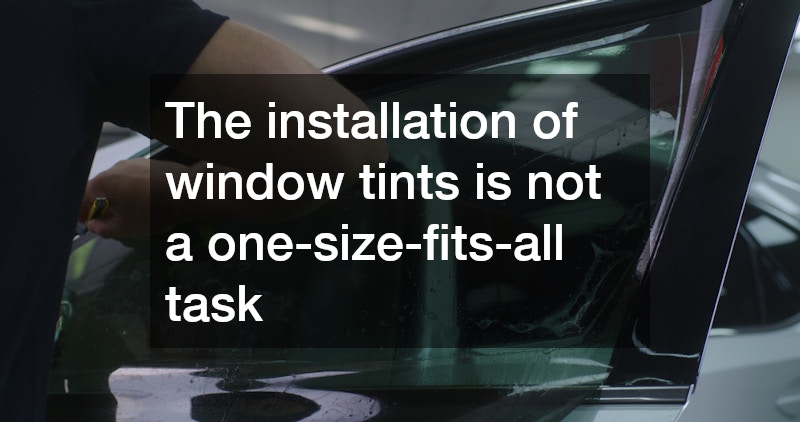
The installation of window tints is not a one-size-fits-all task. Various types of tint are available in the market, each offering a range of visible light transmissions and benefits. The decision on which type of tint to choose largely depends on the region’s legal requirements and individual preferences. To ensure the best results, professional installation is recommended, as experts are equipped with the skills and tools to carry out precision installation for optimum effectiveness. Additionally, professional installers often provide a warranty that can cover imperfections that might arise over time.
Benefits of Window Tinting
One of the primary advantages of window tinting is its ability to significantly reduce glare. This can enhance the driving experience by improving visibility and reducing eye strain caused by excessive sunlight or reflective surfaces. With reduced glare, driving becomes not just more comfortable but also safer, as drivers are less likely to be blinded by sudden brightness. Furthermore, tinting can aid in the effective reduction of ambient heat within the cabin, making it a comfortable refuge during hot weather. This means energy savings on air conditioning, as the vehicle doesn’t have to work as hard to maintain a comfortable temperature.
Moreover, window tinting provides an added layer of security for vehicle owners. Tinted windows make it more challenging for potential burglars to see inside the vehicle, reducing the temptation to break in. In an unfortunate event of an accident, the tint film can also help hold shattered glass together, minimizing the risk of injury from flying shards. This not only enhances the driver’s and passengers’ safety but also could potentially reduce car repair costs. Whether protecting the occupants from potential dangers on the road or from UV rays, window tinting serves as a silent protector, working round-the-clock.
A further benefit of window tinting lies in its capacity to enhance the vehicle’s aesthetic appeal and potential resale value. Tinted windows are often perceived as a sign of a well-maintained and customized vehicle, appealing to potential buyers. The sleek, polished look of a car with professional-grade window tinting typically attracts a higher resale price. While window tinting requires an initial investment, many car owners find that the boost in resale value helps offset the cost. Effectively, the long-term benefits of window tinting significantly outweigh the upfront costs.
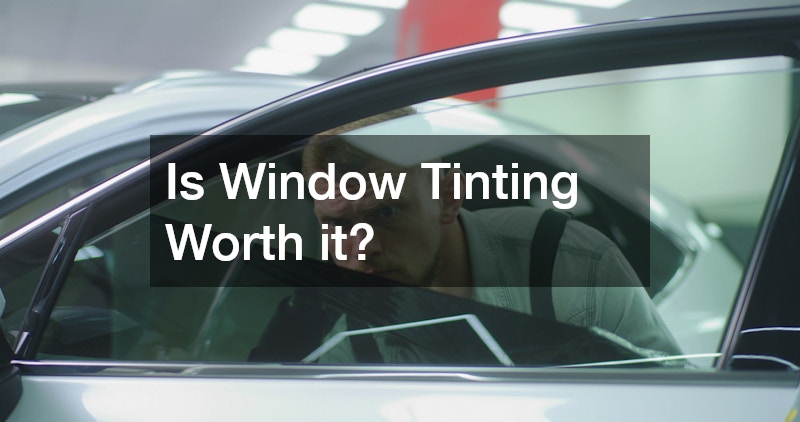
Is Window Tinting Worth the Investment?
The decision to invest in window tinting should consider various factors such as climate, lifestyle, and budget. For those living in warmer climates, the benefits of reduced heat gain and glare are immediately apparent, making window tinting an easy choice. Meanwhile, in regions with more moderate climates, the consideration may weigh more heavily on the privacy and aesthetic boost provided by window tints. Homeowners and employers can also explore tinting options for residential and office buildings, noting the potential cost savings and comfort benefits that come with reduced energy consumption. Consequently, the multifaceted advantages of window tinting can improve not only personal comfort but also contribute positively to the environment through energy conservation.
While the cost might seem a concern, many find that window tinting for vehicles and buildings quickly pays for itself. From protecting interiors to reducing energy bills, the value is realized over time. Different grades of tint offer various price points, giving options for nearly any budget. It’s worth considering collaborating with a professional window tinting service to explore the most suitable options aligned with personal needs. Doing so ensures that an informed decision is made, maximizing the return on investment.
Window tinting extends beyond its aesthetic qualities. It offers significant benefits such as increased comfort, enhanced safety, and potential cost savings. For those weighing the cost against benefits, it’s evident that the long-term returns on window tinting can provide substantial rewards. What might have started as a preference for style could very well end up being a practical enhancement for safety and cost efficiency. With considerations taken for the type of tint and professional installation, window tinting becomes a wise investment both for the present and future.